Wallets and QR Codes Are Gaining Ground in Southeast Asia’s Payments Landscape
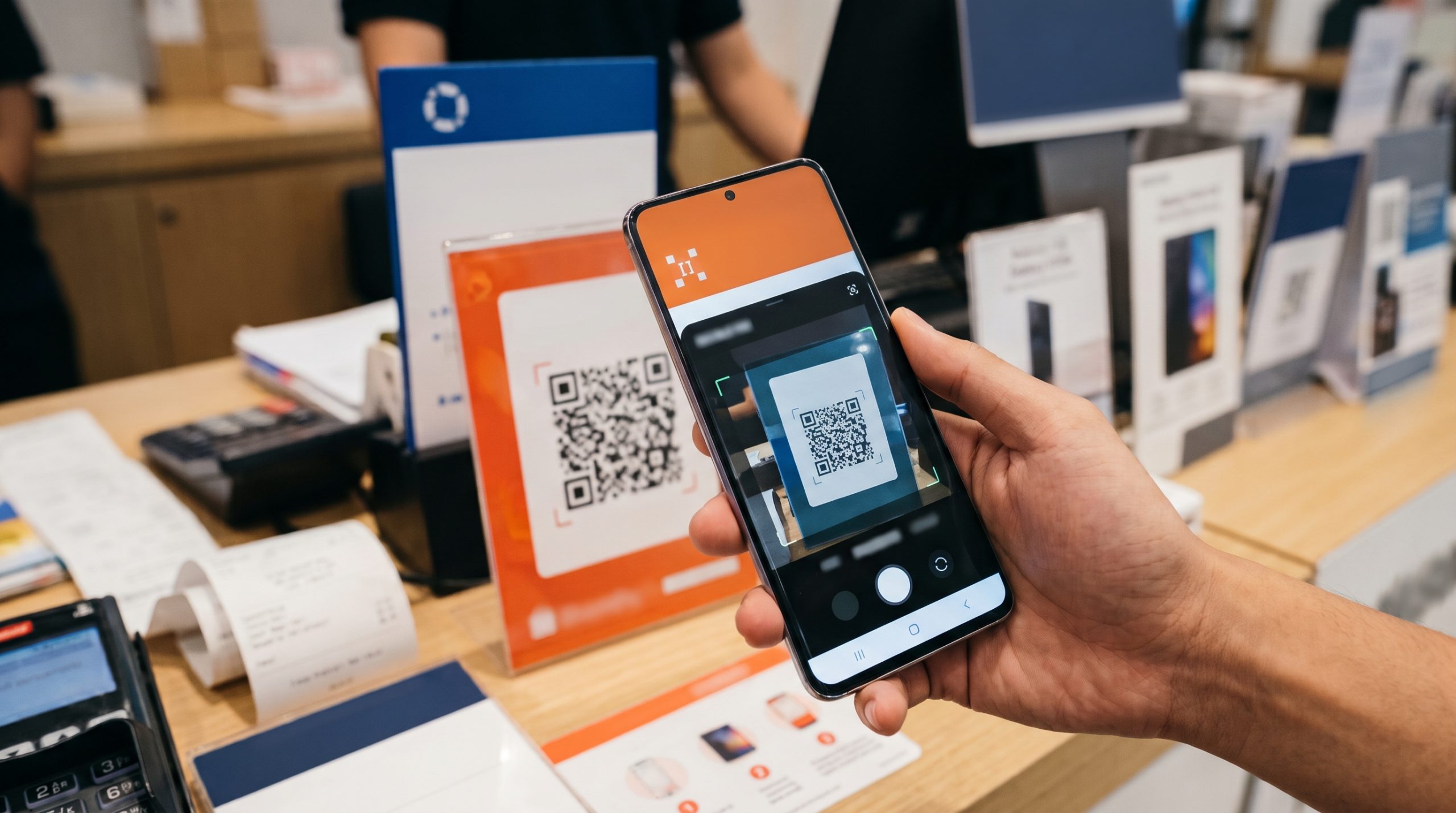
Digital wallets and QR code payments have been gaining traction across Southeast Asia. What was once an alternative to cash and card payments is increasingly becoming part of the region’s everyday payments infrastructure. The latest partnership between Samsung and ShopeePay is another indication of this shift. The integration allows consumers in Singapore and Vietnam to make ShopeePay QR payments directly through Samsung Wallet, with plans to extend the partnership to Malaysia.
On the surface, this looks like another commercial partnership between two technology companies. However, it reflects a broader development in the payments market: digital wallets are becoming more interconnected, while QR codes are emerging as a common way to access different payment ecosystems.
Southeast Asia has a competitive e-wallet market. Providers such as GrabPay, ShopeePay, GCash and GoPay have built sizeable consumer bases, expanding beyond payments into services such as transfers, rewards, lending and online shopping. However, one challenge remains: getting consumers to use these wallets beyond their respective ecosystems. Merchants cannot reasonably be expected to support every wallet individually, while consumers are unlikely to download multiple apps just to make payments at different stores.
This is where interoperability becomes important. Rather than competing solely to become the consumer’s primary payment app, wallet providers are finding ways to connect with existing payment infrastructure and other platforms. Samsung’s integration with ShopeePay is a good example. It gives ShopeePay access to another consumer touchpoint while making Samsung Wallet more useful for everyday transactions.
QR codes have played an important role in making this integration possible. Unlike card-based payments, QR payments can be supported through relatively accessible infrastructure. Merchants display a QR code, while consumers use their preferred banking or wallet application to complete a transaction. More importantly, QR payments are no longer confined to domestic transactions. Across Southeast Asia, initiatives connecting national QR payment systems are making it easier for consumers to pay merchants when travelling abroad. Singapore’s PayNow and Thailand’s PromptPay linkage, for instance, allows users to make cross-border payments through their existing mobile banking applications. Similar initiatives involving Malaysia and Indonesia point towards greater regional interoperability.
This matters because Southeast Asia’s payments market remains fragmented, with each country operating its own banking infrastructure and payment systems. Linking these networks through QR-based arrangements offers a practical way to improve cross-border payment experiences without requiring consumers or merchants to adopt entirely new platforms.
For payment providers, the opportunity goes beyond processing more transactions. The real value lies in becoming part of consumers’ everyday spending habits. The more places a wallet can be used, the more useful it becomes. This creates a network effect: broader merchant acceptance attracts more users, while a larger user base gives merchants a stronger reason to support the payment method.
However, interoperability alone does not guarantee adoption. Providers still need to offer a compelling user experience, reliable transaction processing and incentives that give consumers a reason to choose their services. Regulatory differences and inconsistent infrastructure will also continue to complicate regional expansion.
We expect digital wallets and QR-based payments to play an increasingly important role in Southeast Asia’s payments landscape. The Samsung–ShopeePay partnership is one example of how established players are connecting their ecosystems to expand acceptance and reach more consumers. As these partnerships and cross-border payment linkages develop, competition may increasingly be less about which wallet consumers download, and more about which payment ecosystem offers the broadest acceptance and most seamless experience.

Related Blogs
Related posts

Navigating the Hyper-Fragmented Future of Payments in APAC

From Convenience to Adoption: Grab’s Next Challenge in Digital Finance

Stablecoin Payments Are Growing. What Will It Take to Move Beyond Cards?

The Agentic AI paradox in Singapore fintech: Why adoption is outrunning infrastructure