
Approaching 2027: Where the Global Payments Industry Stands on the “Last Mile”
As the global financial system approaches the G20’s end-2027 target deadline for faster, cheaper, and more transparent cross-border payments, the industry has a clear picture of where progress stands, and where long-standing bottlenecks remain.
In its November 2026 Consolidated Progress Report on the G20 Roadmap for Enhancing Cross-Border Payments, the Financial Stability Board (FSB) notes that while international policy frameworks and technical toolkits are now largely in place, improvements in the end-user experience remain gradual and uneven. With the G20 aiming for 75% of cross-border payments to reach recipients within one hour by the end of 2027, the report underscores a persistent reality: the primary source of delay is no longer the cross-border network itself, but the infamous “last mile” inside receiving jurisdictions.
For years, the international leg of a transaction has grown steadily faster. Industry benchmarks indicate that roughly 75% of cross-border payment messages reach the beneficiary’s domestic banking system within ten minutes, with many arriving in seconds. Yet once those funds reach the destination country, entrenched local frictions continue to extend end-to-end settlement by hours or days.
According to the FSB’s 2026 assessment, closing this gap before 2027 depends on resolving three long-standing domestic constraints:
- Fragmented Regulatory and Compliance Requirements: National jurisdictions enforce distinct anti-money laundering (AML) rules, foreign exchange controls, and mandatory purpose-of-payment reporting. When cross-border payment data arrives incomplete or formatted inconsistently, transactions fall out of automated straight-through processing into manual review queues.
- Limited Domestic Operating Hours: While 13 payment systems extended their operating hours in 2025, with another 23 to follow, many local real-time gross settlement (RTGS) and fast payment systems still operate on restricted schedules, leaving incoming funds waiting in overnight or weekend batch queues.
- Uneven Access for Non-Bank Innovators: Although direct access has expanded (45% of surveyed fast payment systems and 39% of RTGS systems offering access to non-bank payment service providers), many markets still require non-banks to settle through commercial bank intermediaries, adding cost and processing steps.
As the industry moves through the final stretch toward 2027, focus has shifted firmly from global standard-setting to jurisdictional execution across three practical priorities:
- Standardized Rich Data (ISO 20022): With 77% of fast payment systems and 53% of RTGS systems having adopted ISO 20022, harmonizing data fields ensures that essential compliance and remittance information travels intact from sender to recipient.
- Interlinking Domestic Fast Payment Systems: Building direct technical and operational links, including “one-leg-out” arrangements, allows cross-border transactions to clear immediately over local instant rails.
- Pre-Validation and Regulatory Alignment: Expanding payment pre-validation tools and issuing clearer supervisory expectations for both bank and non-bank providers helps prevent avoidable compliance holds before funds are dispatched.
Ultimately, the FSB’s 2026 report offers a grounded assessment of where global payments stand on the eve of 2027. Global messaging infrastructure is largely ready; meeting the G20’s benchmarks now depends on sustained, coordinated execution within domestic markets to ensure local clearing and regulatory practices keep pace with international speed.

Related Blogs
Related posts

Beyond Bilateral: What ASEAN’s New Digital Economy Pact Means for Regional Payments
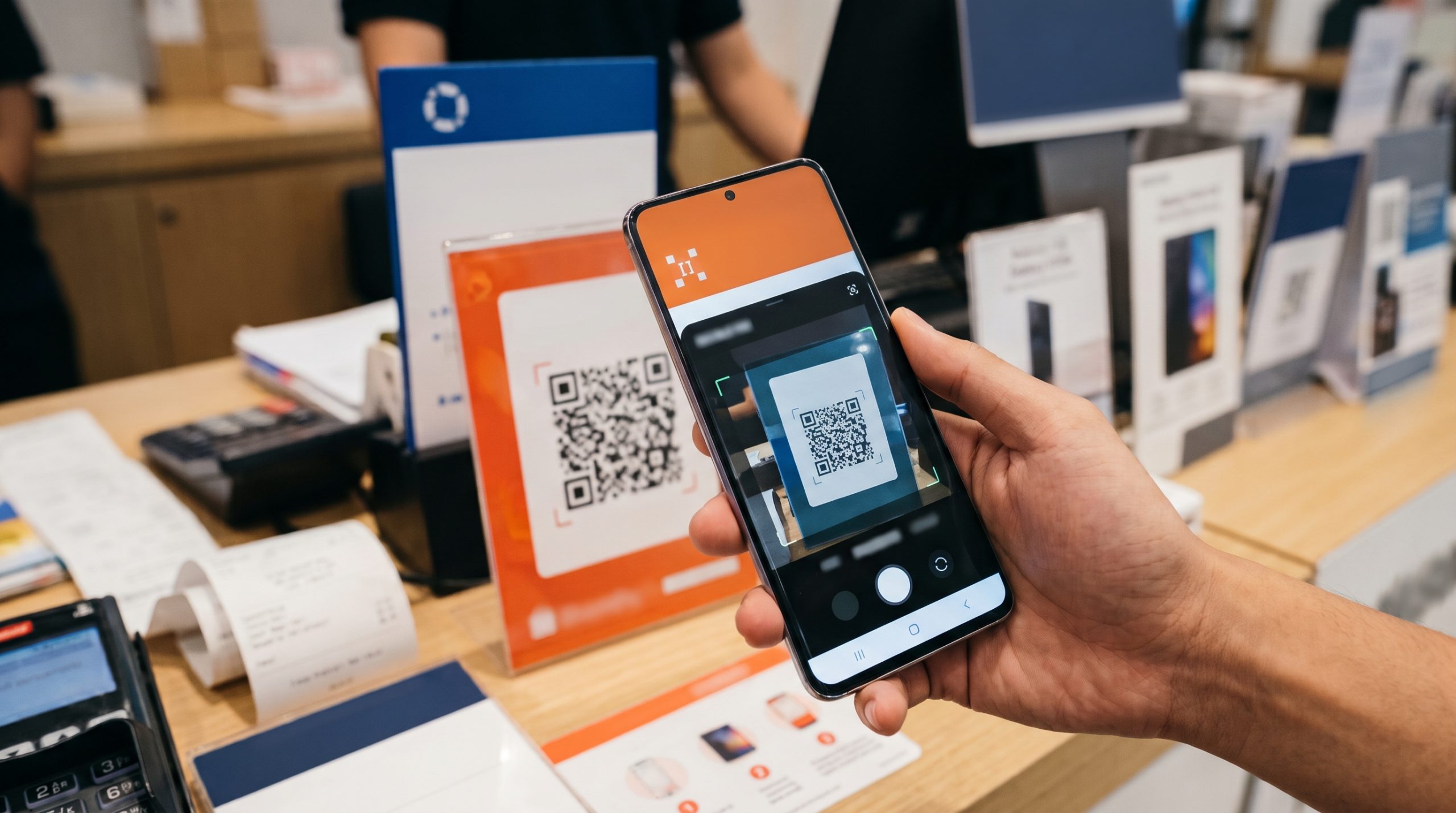
Wallets and QR Codes Are Gaining Ground in Southeast Asia’s Payments Landscape

Navigating the Hyper-Fragmented Future of Payments in APAC

From Convenience to Adoption: Grab’s Next Challenge in Digital Finance